After the home inspection, radon testing is the second most important thing every homebuyer should do. Radon is a colorless, odorless gas that you cannot see, smell, or taste — but it can build up inside a home and cause serious harm over time. In fact, the EPA says radon is the second leading cause of lung cancer in the United States, right behind smoking. Many buyers focus on the price, the neighborhood, and the condition of the roof — but they forget to ask about the air inside the home. This guide explains why radon testing matters, what to expect, and what to do if levels are too high.
What Is Radon and Why Should Homebuyers Care?
Radon is a naturally occurring radioactive gas that forms when uranium breaks down in the soil and rock beneath our feet. It rises up through the ground and can seep into any home through cracks in the foundation, gaps in floors, or openings around pipes. Once inside, it gets trapped and can reach dangerous levels without anyone knowing. Breathing radon over a long period of time damages the lungs and can lead to lung cancer. The scary part is that you feel perfectly fine while it is happening — there are no symptoms, no smell, and no warning signs.
Here are some key radon facts every homebuyer should know:
- Radon is the #1 cause of lung cancer in non-smokers in the United States.
- The EPA recommends taking action when radon levels reach 4 pCi/L or higher.
- Any home — old or new, with a basement or without — can have high radon levels.
- Rhode Island and Connecticut both have areas where radon levels are commonly elevated.
- Testing is the only way to know for sure if a home has a radon problem.
Why Is Radon Testing the Second Thing — Not the First?
The home inspection comes first because it looks at the structure, the roof, the plumbing, the electrical system, and other physical conditions of the house. A good home inspector gives you a full picture of the home’s safety and condition. But a standard home inspection does not include radon testing — it is a separate, specialized service that requires certified equipment and certified professionals. That is exactly why radon testing belongs right at the top of your list, immediately after scheduling the home inspection. Think of them as a pair: one checks the house, the other checks the air.
Many buyers do not realize that in Rhode Island, real estate transactions require a licensed home inspector to conduct the radon test — it cannot just be done by anyone. At RI Affordable Radon Systems, we work closely with homebuyers to make the testing process as simple and stress-free as possible. Getting your test done early in the buying process gives you time to negotiate repairs or mitigation with the seller before closing.
What Happens If Radon Levels Are High in the Home You Want to Buy?
Finding high radon levels in a home you love can feel alarming, but it is actually very manageable. The EPA says that even very high radon levels can be reduced to a safe range. This is not a deal-breaker — it is a fixable problem. Knowing about it before you close on a home puts you in a strong position to ask the seller to cover the cost of a mitigation system, or to negotiate a lower purchase price so you can handle it yourself.
Here is what happens when results come back high:
- Your certified radon professional will explain the results and what they mean.
- A custom mitigation plan is designed for your specific home’s layout and foundation type.
- Professional radon mitigation system installers come in and set up the system — usually in just one day.
- A follow-up test confirms that radon levels have dropped to a safe range.
The sooner you know, the sooner the problem can be fixed. Waiting until after closing means all of the cost and responsibility falls on you.
What Do Radon Mitigation System Installers Actually Do?
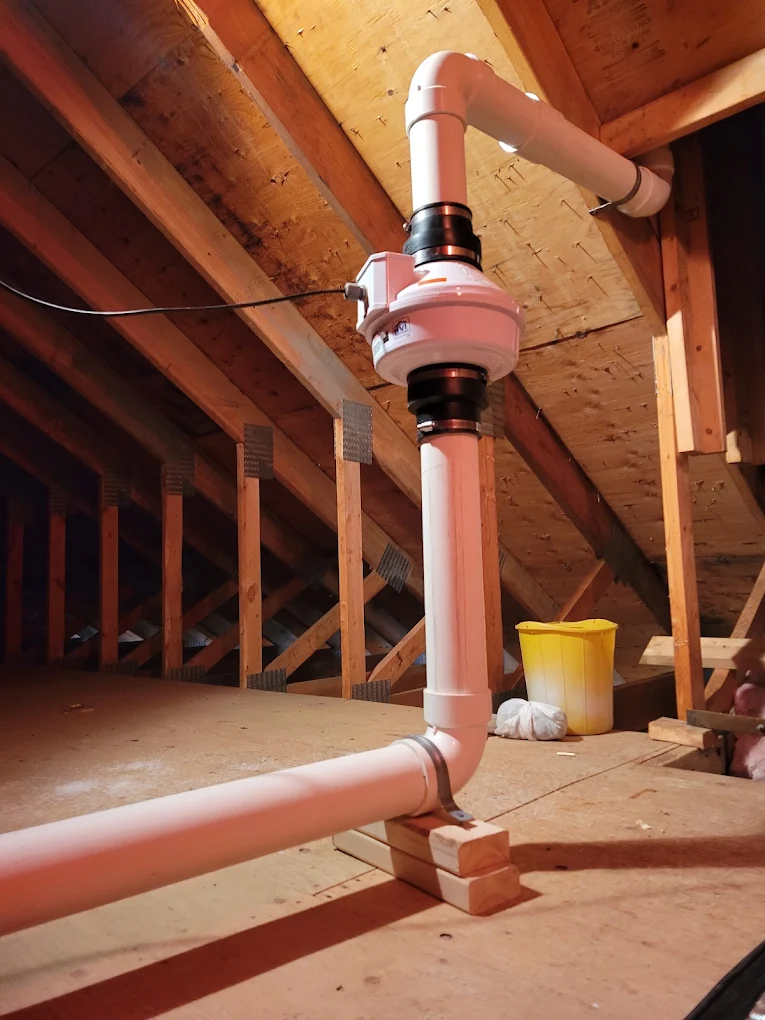
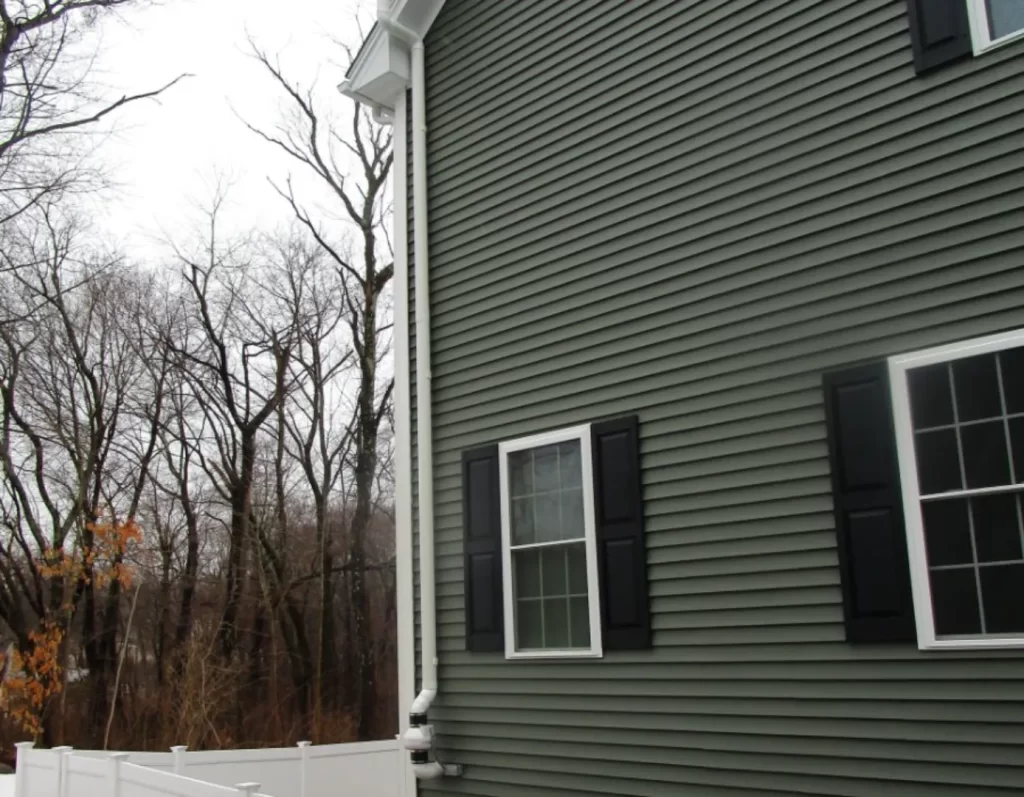
When radon levels are too high, the fix is called radon mitigation. The most common method is called sub-slab depressurization. A certified team drills a small hole in the basement floor or foundation and installs a sealed PVC pipe that runs from beneath the slab to the outside of the home. An in-line fan pulls the radon gas out from under the foundation and vents it safely outside before it can enter the living space. It is a clean, discreet system that most homeowners barely notice.
Our radon mitigation system installers at Affordable Radon Systems are fully licensed, insured, and certified by AARST-NRPP and NRSB. We have been installing these systems since 2009 and use standardized, transparent pricing so you always know what you are paying for. A simple system with a small fan can cost hundreds less than what other companies charge — and we never cut corners to get there.
Why Rhode Island and Eastern Connecticut Homebuyers Face Extra Risk
The geology of Rhode Island and eastern Connecticut makes radon a real concern for homeowners in this region. The bedrock and soil in much of New England contain higher concentrations of uranium, which means more radon is produced and pushed up into homes. Older homes with stone foundations, unfinished basements, or crawl spaces are especially vulnerable. But even newer construction can have elevated levels, depending on how the foundation was built and where the home sits.
As a radon company near me serving all of Rhode Island, southeastern Massachusetts, and eastern Connecticut, we have tested and treated thousands of homes in this region. We know the local landscape, the common foundation types, and the radon patterns that show up in communities across the area. That local knowledge makes a real difference when it comes to diagnosing and solving radon problems quickly and correctly.
How to Get Radon Testing Done Before You Close on a Home
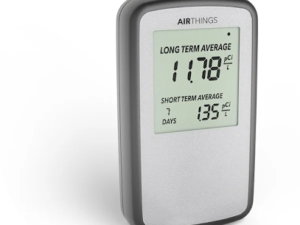
The good news is that getting a radon test done during the homebuying process is fast and affordable. In Rhode Island, the radon test must be performed by a licensed home inspector as part of the real estate transaction process. The test typically involves placing a small device in the lowest livable area of the home for 48 hours. Results come back quickly, and a certified radon professional can walk you through what the numbers mean and what your options are.
If you are buying a home and want to understand your radon risk, reach out to our team at RI Affordable Radon Systems. We offer free estimates and competitive, standardized pricing. There are no surprises — just honest, professional service from a team that has been protecting Rhode Island families since 2009.
Conclusion: Do Not Skip This Step
Buying a home is one of the biggest decisions you will ever make, and you deserve to know exactly what you are moving into. The home inspection checks the bones of the house. Radon testing checks the air. Both are essential, and neither should be skipped. In a region like Rhode Island and eastern Connecticut, where radon levels can be elevated due to local soil and geology, this step is especially important for protecting your family’s long-term health.
If results come back high, do not panic. Our certified radon mitigation system installers can fix the problem quickly, efficiently, and affordably. Call Affordable Radon Systems today at 401-601-1800 or visit riaffordableradon.com to request a free estimate and take the first step toward a safer home.
Frequently Asked Questions
Q: How long does a radon test take during a real estate transaction in Rhode Island?
A standard short-term radon test takes 48 hours. A small testing device is placed in the lowest livable level of the home — usually the basement or first floor — and left undisturbed. Results are typically available shortly after the device is collected. In Rhode Island, real estate transactions require that a licensed home inspector conduct the test, so it is a good idea to schedule it at the same time as your general home inspection to save time during the closing process.
Q: Can a home with high radon levels be fixed before closing?
Yes — absolutely. Radon is one of the most fixable problems found during a home purchase. Once elevated levels are confirmed, a radon mitigation system can typically be installed in a single day by certified radon mitigation system installers. Many buyers use the test results to negotiate with the seller so that the cost of the system is covered before closing. Even if the system is installed after closing, radon levels can usually be reduced to safe levels very quickly, giving you peace of mind right from the start in your new home.