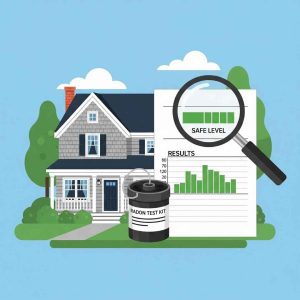
Yes, you still need to test your own home even if your neighbor’s test came back clear. Radon gas doesn’t spread evenly across an area. Two homes built side by side can have completely different radon levels because of small changes in soil, construction, or ventilation. The only way to know if your home is safe is through your own radon testing.
Why Your Neighbor’s Results Don’t Guarantee Safety
Radon levels can vary greatly—even between homes that share a property line. Differences in foundation cracks, insulation, or sump pump systems can make one home more vulnerable than another.
Here are a few reasons why:
-
Soil composition and moisture can change from one yard to the next.
-
Houses built at different times may use different materials or sealing techniques.
-
Ventilation and HVAC systems affect how much radon accumulates indoors.
Even if your neighbor’s home tested low, your home could still have dangerous levels. Testing your own property ensures you know your home’s unique risk.
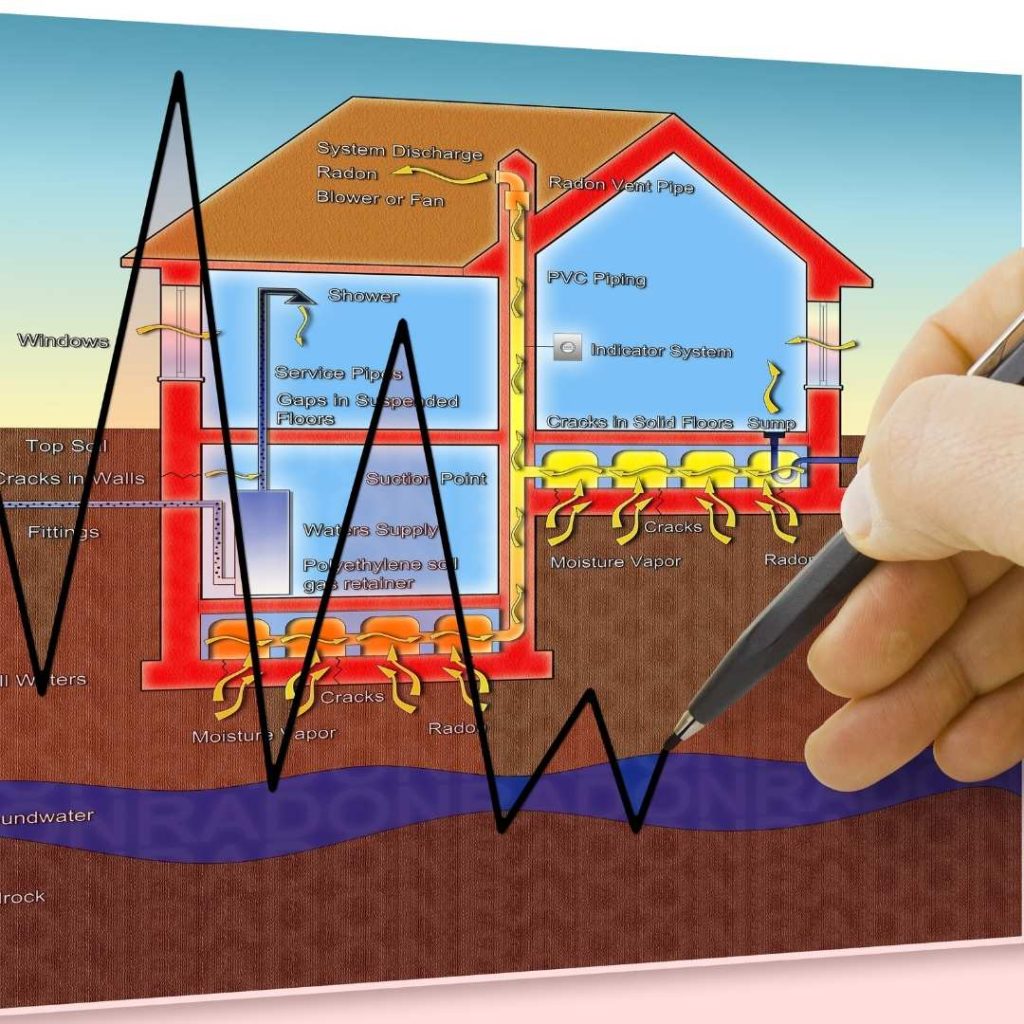
Radon Changes Over Time
Even if your house passed a radon test in the past, levels can change. Over the years, homes settle and new cracks may open in the foundation or walls. Weather patterns and water in the ground can shift how much radon seeps upward.
You should schedule radon testing every two years—or sooner if you’ve remodeled, added new ventilation systems, or finished your basement. Keeping up with regular testing is one of the simplest ways to protect your family’s health.
The Health Risks of Ignoring Radon
Radon is the second leading cause of lung cancer in the United States after smoking. It’s invisible, odorless, and tasteless, which means you won’t know it’s there without a test. Long-term exposure to high levels of radon can be serious for everyone in your home.
Testing helps identify if your family is at risk so you can act quickly to reduce levels. If your home has elevated radon, a mitigation system can bring it down to a safe range.
When to Schedule Radon Testing in Rhode Island
Because Rhode Island’s natural soil and rock can produce higher radon levels, homeowners should test:
-
When buying or selling a home.
-
After completing any major renovations.
-
Before finishing a basement or converting lower-level rooms into living spaces.
-
Every two years for ongoing monitoring.
Regular testing provides peace of mind and protects your investment in your home.
What If Your Radon Test Is High?
A high result can sound alarming, but radon problems are fixable. Radon mitigation systems draw gas from under your home and safely vent it outside. These systems are quiet, efficient, and can reduce radon levels within a few days of installation.
RI Affordable Radon Systems has over 25 years of experience helping homeowners across Rhode Island and Eastern Connecticut stay safe. With professional testing and quality systems, you can trust that your air is clean and your family is protected.
Why Choose RI Affordable Radon Systems
We provide expert testing and mitigation services designed for the unique soil and housing conditions of Rhode Island. Homeowners choose us because:
-
We offer free estimates and affordable pricing.
-
We are fully licensed, insured, and experienced in local radon solutions.
-
We focus on reliable testing and customer satisfaction.
Our team is committed to helping every homeowner make informed decisions about their home’s air quality.
Final Thoughts
Your neighbor’s results can’t predict what’s happening in your home. Radon levels vary from house to house, and the only way to know if you’re safe is by testing your own space. Whether you’re buying a home or have lived in yours for years, radon testing in Rhode Island is essential for peace of mind and health.